
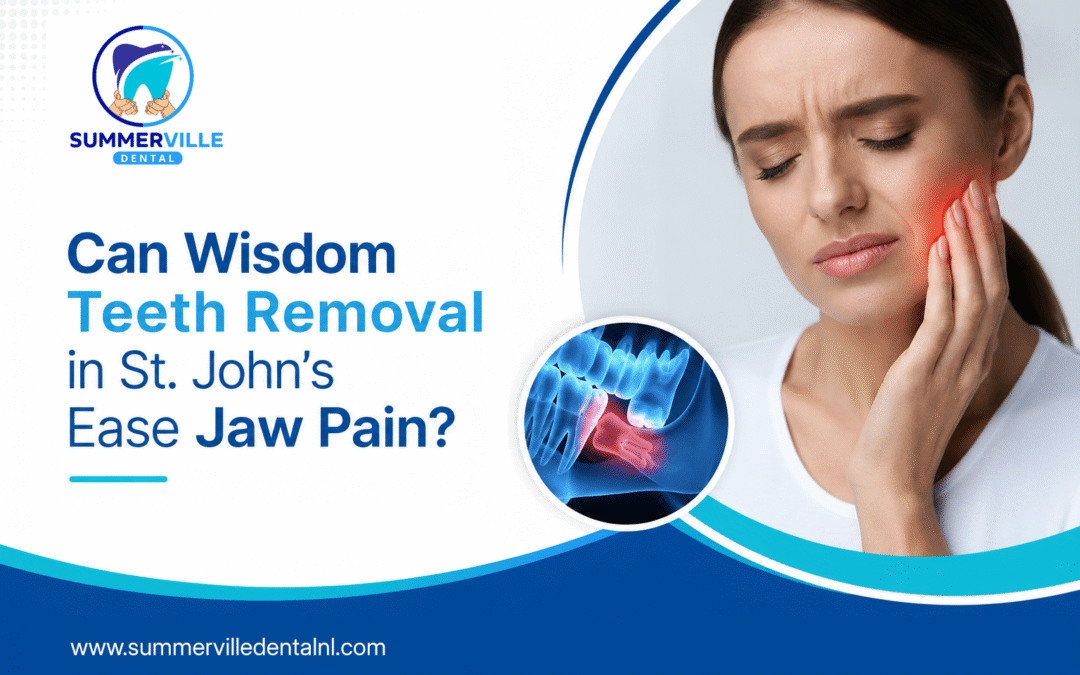
A dull ache behind your last molar can affect meals, sleep, and concentration. Swelling, unpleasant breath, or difficulty chewing may suggest that a third molar is struggling to emerge. Seeking wisdom teeth removal in St. John’s that residents can access may help you understand whether extraction is appropriate for your needs.
Knowing what happens before and after treatment can make the decision manageable.
Why Wisdom Teeth Can Become Uncomfortable
Wisdom teeth are the final molars to appear when the jaw has little room left. A tooth may remain trapped beneath the gum, grow at an unusual angle, or press against a neighboring molar. These changes can create tender gums and make the mouth difficult to clean.
Food and bacteria may collect around a partially erupted tooth. This may contribute to cavities, gum problems, bad breath, cysts, or decay affecting nearby teeth. Not every wisdom tooth needs removal, so an assessment matters. A dentist can consider its position, available space, symptoms, and effects on the surrounding area.
When Should You Arrange an Assessment?
Persistent discomfort deserves attention when it becomes harder to bite, chew, or open your mouth comfortably. Swollen gums, recurring soreness, or pressure near the back teeth are reasons to book an examination. Even without pain, routine checkups may reveal a concern before it disrupts your day.
An assessment for wisdom teeth removal in St John’s, NL, can consider both visible symptoms and what is happening below the gum. Dental X-rays help the dentist review the tooth, roots, bone, and neighboring structures before discussing whether monitoring or extraction is suitable.
What Happens During the Procedure?
Treatment begins with a review of your condition and a conversation about the process. The service information indicates that the procedure ideally takes about 45 minutes, though this may vary depending on the complexity of the tooth. Anesthesia is selected according to the extraction and your comfort needs.
The dentist may make an incision to expose the tooth and surrounding bone. If necessary, bone near the root is removed, and the tooth may be taken out whole or in sections. The area is cleaned. Stitches may support healing, while gauze can help a blood clot form at the site.
How Can You Prepare for Recovery?
Ask questions before the appointment, including what to eat, which activities to avoid, and how to manage discomfort after anesthesia. Arrange a schedule for early recovery and follow the dentist’s instructions. Having soft foods ready can make mealtimes easier.
Protecting the clot is an important part of healing. Avoid disturbing the area, use medication only as directed, and keep follow-up appointments when requested. Contact the dental office if pain, bleeding, swelling, or another symptom concerns you. Clear guidance helps you respond appropriately instead of guessing.
A Timely Conversation Can Protect Your Smile
Jaw pain does not confirm that a wisdom tooth must be extracted, but it should not be ignored. A thorough examination can clarify the cause and show whether observation or treatment makes sense.
Choosing wisdom teeth removal St John’s patients can discuss with a dentist allows you to address questions early and plan around your comfort.
Book a Focused Dental Assessment
Ready to find out what is causing discomfort at the back of your mouth? Schedule a dental assessment to review your options and receive clear guidance tailored to your situation.
Frequently Asked Questions
Does every wisdom tooth need to be removed?
No. A dentist may recommend monitoring a wisdom tooth that is healthy, positioned well, and easy to clean. Extraction may be considered when the tooth is impacted or creates pain, hygiene challenges, or risks for nearby teeth.
How long does wisdom tooth extraction take?
The referenced service page states that the procedure ideally takes about 45 minutes. Timing can vary depending on the tooth’s position and the complexity of the removal, so your dentist can provide a more accurate estimate after examining you.
Why are dental X-rays taken before extraction?
Dental X-rays show the wisdom tooth’s position, roots, surrounding bone, and relationship to nearby structures. This information supports careful treatment planning and helps explain what your individual procedure may involve when findings are reviewed at Summerville Dental.
Recent Comments