
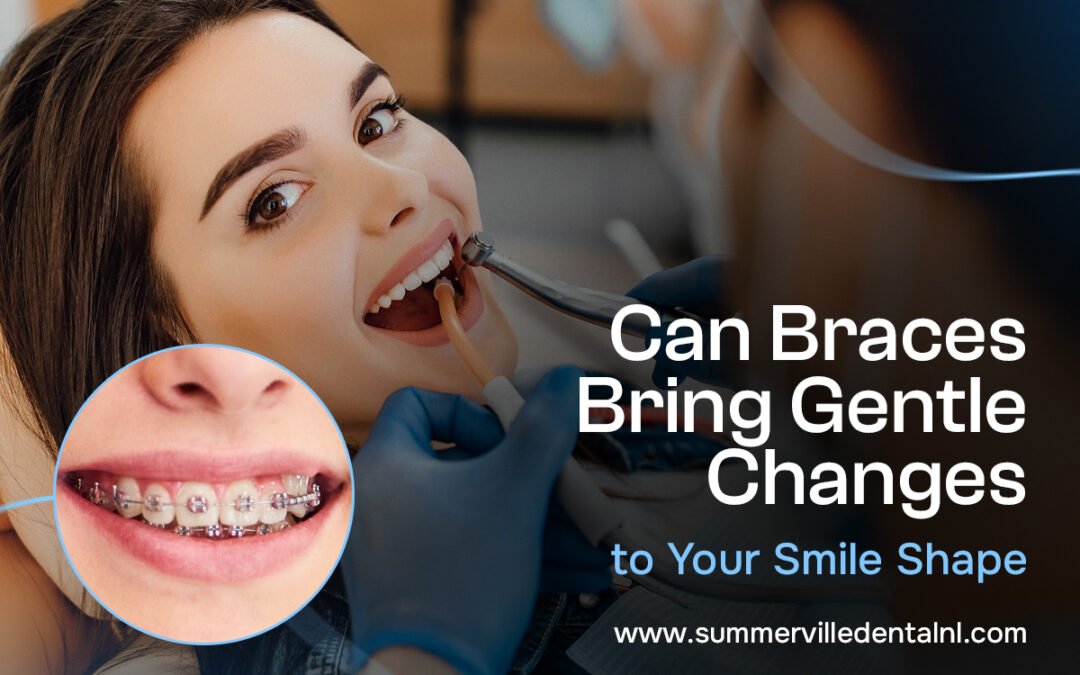
A smile often reflects comfort, confidence, and ease during everyday conversations. Small shifts in tooth position can gradually affect chewing habits, speech clarity, and even facial balance. Many people begin exploring dental braces for teeth alignment after noticing crowding, gaps, or an uneven bite that makes smiling feel less natural.
A well-planned process can gradually guide teeth into a healthier position while supporting long-term oral care.
A Smile Journey That Feels Personal
Every smile carries different needs. Some teeth may overlap slightly, while others may grow at uneven angles or create spacing issues. Braces are designed to apply steady pressure that encourages gradual movement without rushing the process.
Treatment plans are usually based on age, jaw structure, tooth condition, and lifestyle habits. Younger patients may notice faster movement, while adults often appreciate the careful, structured pace of modern care.
Gentle adjustments during appointments help track progress and keep the treatment moving comfortably. Many patients find that routine visits become easier once they understand how each stage supports their final results.
Why Early Attention Can Help
Misaligned teeth may seem like a cosmetic concern at first, but they can also affect oral hygiene. Tight spaces can trap food particles, making brushing more difficult. Over time, this may lead to plaque buildup or gum irritation.
Early care can reduce strain on certain teeth while helping the bite function more evenly. Some patients also experience relief from jaw tension once the alignment begins to improve.
Parents often choose consultations for teenagers after noticing shifting teeth or bite changes during growth years. Adults are also choosing braces later in life because modern options feel more comfortable and subtle than older designs.
Comfort Matters for New Patients
Starting this care can feel unfamiliar at first. Questions about appearance, eating habits, or treatment length are common during initial visits. Clear communication helps patients feel more relaxed before the process begins.
Many clinics now offer welcoming consultations for dental braces treatment to new patients who want guidance without pressure. These appointments usually include an oral evaluation, imaging, and a discussion about suitable treatment options based on personal goals.
Understanding each stage can make the experience feel more manageable. Patients often feel encouraged once they learn that adjustments are carefully planned and monitored over time.
Braces and Lifestyle Balance
Modern solutions are designed to fit comfortably into school, work, and social routines. Some patients choose traditional braces for reliable movement, while others may prefer less noticeable options depending on their needs.
Confidence usually grows as the teeth begin shifting into better positions. Many people smile more openly during treatment because they can already see a gradual improvement.
Consistency plays an important role throughout the process. Following instructions closely and attending scheduled visits can help keep treatment moving steadily.
Looking Ahead With Confidence
Dental Care is about more than appearance alone. Straighter teeth may support cleaner brushing habits, balanced biting pressure, and improved comfort during daily activities. Even small adjustments can create a noticeable difference in how a smile feels and functions.
If you have been considering braces, now may be the right time to explore a treatment plan tailored to your needs. A caring consultation can help answer questions, explain timelines, and guide you toward healthier alignment choices.
Ready to take the next step toward a healthier smile? Schedule a consultation to learn which option best suits your lifestyle and comfort level. A supportive dental team can help you begin your smile journey with clarity and reassurance. Contact Summerville Dental today to learn more about available braces and Invisalign care.
FAQs
1. How long does braces treatment usually take?
Treatment length depends on tooth movement, bite condition, and age. Many patients wear braces between 12 and 24 months, though some cases may require a shorter or longer timeline.
2. Are braces uncomfortable after adjustments?
Mild tenderness is common for a few days after adjustments. Soft foods, water, and proper oral care often help reduce temporary discomfort.
3. Can adults still benefit from braces?
Yes, adults frequently choose several treatment to improve alignment, bite function, and smile appearance. Modern treatment methods are designed for different age groups and lifestyles.
Recent Comments